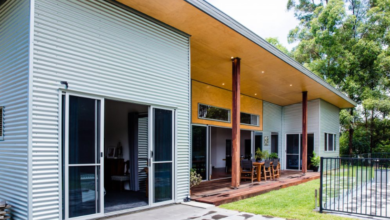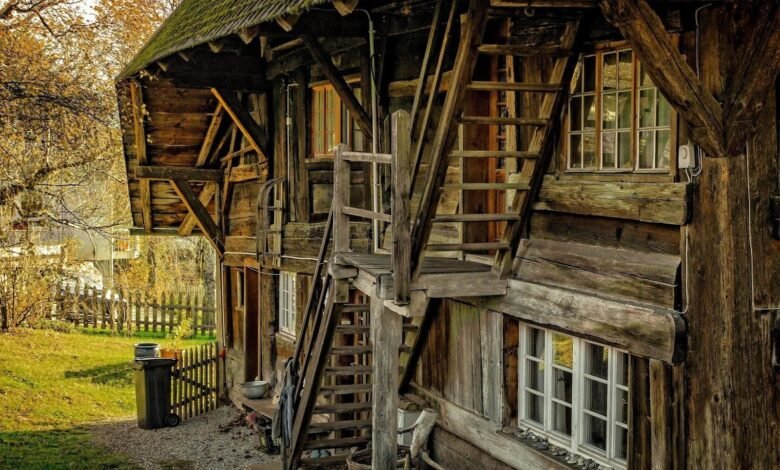
Creating a home that stands the test of time requires more than good design—it depends on the integrity of the materials and the process behind them. Timber has remained a trusted choice in construction because it offers both structural strength and design flexibility. When used with care and expertise, it becomes the foundation for homes that feel both durable and inviting.
As expectations for quality and sustainability continue to rise, builders are placing greater emphasis on how projects are executed. Timber construction, supported by responsible sourcing and skilled craftsmanship, provides a clear path toward achieving these goals.
The Importance of Responsible Timber Use
One of the most critical aspects of timber construction is ensuring that materials are sourced responsibly. Illegal logging and unsustainable harvesting practices can undermine both environmental balance and the quality of the wood itself. Builders who prioritize ethical sourcing contribute to a more stable and reliable supply chain.
Efforts such as initiatives to prevent illegal logging and protect timber resources highlight the importance of maintaining transparency and accountability in the industry. These measures help ensure that timber used in construction meets established standards for quality and sustainability.
By choosing responsibly sourced materials, builders can create projects that align with both environmental and structural expectations.
Why Timber Remains a Preferred Building Material
Strength with Adaptability
Timber offers a unique combination of strength and flexibility, allowing it to support a wide range of construction needs. It performs well under load while remaining adaptable to different design requirements. This makes it suitable for both traditional homes and more modern architectural styles.
Its ability to be shaped and adjusted without compromising integrity gives builders greater control over the construction process. This flexibility supports creative solutions while maintaining structural reliability.
Efficiency in Construction
Another advantage of timber is its efficiency. It is relatively lightweight compared to other structural materials, making it easier to transport and install. This reduces labor demands and helps keep projects on schedule.
When handled correctly, timber contributes to a smoother workflow. Builders can complete tasks more quickly while maintaining high standards of accuracy and quality.
Executing High-Quality Timber Builds
The success of a timber project depends on how well it is executed. Skilled professionals play a key role in ensuring that materials are used effectively and that each stage of the build is completed with precision.
Working with experienced teams behind builds from Tar River Timber Works provides access to practical knowledge that supports both efficiency and craftsmanship. Their approach focuses on aligning structural requirements with design goals, resulting in homes that are both reliable and visually cohesive.
This level of expertise helps reduce errors and ensures that each component of the project contributes to the overall quality of the build.
Planning for Custom Home Construction
Custom home projects require careful planning and coordination. Every detail, from layout to material selection, must be considered to ensure that the final result meets expectations. Timber’s versatility makes it an ideal choice for these types of projects, as it can be adapted to fit unique designs.
For those exploring the process, this guide to working with custom home builders offers valuable insights into planning and execution. Understanding how to approach a custom build helps homeowners and builders work together more effectively.
By combining thoughtful planning with the right materials, custom timber homes can achieve both functionality and individuality.
Balancing Design and Long-Term Performance
Modern homes are expected to deliver both visual appeal and long-term durability. Timber supports this balance by offering a material that is both aesthetically pleasing and structurally sound. Its natural texture adds warmth to a space, while its strength ensures stability over time.
Proper treatment and maintenance are essential for preserving timber’s performance. Protecting wood from moisture and environmental exposure helps extend its lifespan and maintain its appearance.
By addressing these factors during construction, builders can create homes that remain reliable and attractive for years to come.
See also: Making a Mark: How Signage in Mackay Shapes Local Business Success
Reducing Risks Through Better Construction Practices
Construction projects often face challenges related to material handling, alignment, and coordination. Timber, while versatile, requires careful attention to detail to perform as expected. Skilled teams help mitigate these risks by applying consistent techniques and maintaining high standards throughout the build.
Clear communication between all parties involved is also essential. When designers, builders, and suppliers work together effectively, projects are more likely to stay on track and meet their intended goals.
This combination of material reliability and strong collaboration contributes to smoother construction processes and better overall outcomes.
The Future of Timber Construction
The construction industry is evolving to meet new demands for sustainability and efficiency. Timber is well-positioned to play a central role in this shift, offering a renewable resource that aligns with modern building practices.
Advances in engineered wood products are expanding the possibilities for timber use, allowing for more complex and innovative designs. These developments are helping to redefine what can be achieved with wood in contemporary construction.
As these trends continue, timber will remain a key material for builders seeking to create homes that are both practical and forward-thinking.
Conclusion
Timber construction continues to define how homes are built, offering a combination of strength, efficiency, and design flexibility. When paired with responsible sourcing and skilled craftsmanship, it provides a reliable foundation for projects that stand the test of time.
By focusing on integrity in both materials and process, builders can create homes that meet modern expectations while maintaining long-term value. Timber’s enduring appeal lies in its ability to bring together durability and design in a way that few materials can match.