Turf In Ulladulla: A Local Guide To Choosing, Installing, And Maintaining A Lush Lawn

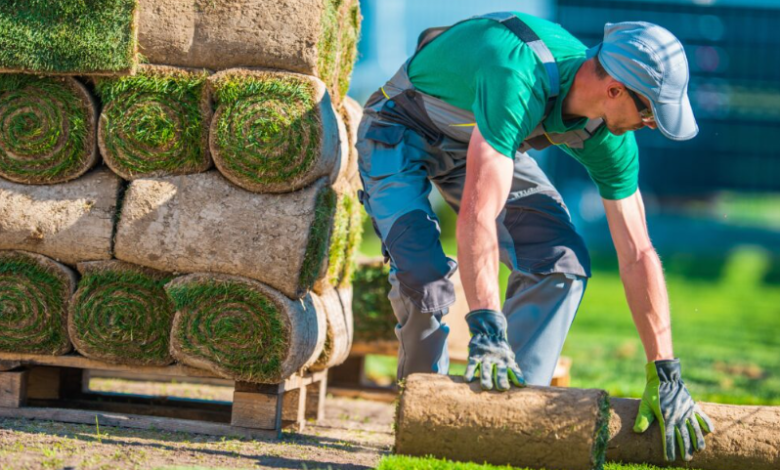
If there’s one thing Ulladulla homeowners quietly compete over, it’s a lawn that stays green through salty southerlies, summer heat, and the odd deluge. The good news: with the right turf choice and a few coastal-savvy habits, turf Ulladulla isn’t a headache, it’s a weekend pleasure. This guide distills local know‑how from the South Coast into clear steps: which varieties actually thrive, how to plan and budget, the right way to install, and what to do each season so it stays lush without wasting water or time.
What Makes Ulladulla Lawns Unique
Climate And Coastal Microclimates
Ulladulla sits on the NSW South Coast with mild winters, warm summers, and sea-breeze moderation. Average rainfall is generous, often 900–1,200 mm annually, but it can arrive in bursts, followed by dry spells. Coastal pockets like Mollymook or Narrawallee get salt-laden winds and cooler sea air, while inland streets can be a few degrees warmer with less breeze. These microclimates shape how quickly turf establishes and how much water it needs.
Soils, Drainage, And Salinity
Expect a mix of sandy coastal soils and heavier loams in newer estates. Sand drains fast (great after storms) but dries and leaches nutrients just as quickly. Low-lying or cut-and-fill blocks can stay soggy after rain. Close to the beach, mild salinity and salt spray can stress sensitive grasses. A lawn that tolerates both brief saturation and dry-down cycles, with some salt resilience, will be more forgiving.
Sun, Shade, And Salt Spray Considerations
Homes a street back from the beach often battle afternoon wind and glare: beachfront aspects can cop with constant salt mist. Many backyards have shade from coastal banksia, fences, or two-story buildings. Match turf to light: some grasses need six-plus hours of direct sun, others tolerate dappled light. And near the coast, leaf texture and thickness matter; soft-leaf buffalo, for instance, shrugs off salt spray better than fine, delicate blades.
Best Turf Varieties For Ulladulla
Buffalo (Soft-Leaf) For Shade And Coastal Resilience
Soft-leaf buffalo (e.g., Sir Walter DNA Certified, Palmetto, Sapphire) is the coastal crowd favorite for a reason. It handles salt spray, copes with 3–5 hours of sun, and forms a dense mat that resists weeds. It’s comfy underfoot, great for kids and pets, and recovers from wear reasonably well. Keep it a bit higher (35–50 mm) to maintain color and reduce water stress.
Couch/Bermuda For Full Sun And High Wear
If the site is full sun and often used for sport or dogs, consider couch/Bermuda (e.g., TifTuf, Wintergreen). It loves heat, repairs quickly, and can be mowed low for that manicured look. Trade-offs: it needs at least 6–7 hours of sun, can scalp on uneven ground, and is less shade- and salt-tolerant than buffalo. TifTuf in particular is bred for drought efficiency, handy for dry spells.
Kikuyu For Fast Cover On A Budget
Kikuyu (e.g., common Kikuyu, Kenda) establishes fast and is usually cheaper per square meter. It thrives in the sun, tolerates occasional neglect, and recovers from wear. In Ulladulla’s mild winters, it can hold acceptable color, but it will creep into gardens if edges aren’t managed. Choose it for larger blocks where quick cover and value matter, and plan firm mowing/edging.
Zoysia For Low Maintenance And Drought Tolerance
Zoysia (e.g., Empire, Nara, Zenith) grows more slowly than couch, needs less mowing, and handles drought and salt fairly well. It prefers sun (5–6+ hours), but some cultivars tolerate light shade. The fine-to-medium leaf gives a premium, carpeted look. Establishment can be slower, but it’s worth it if long-term low maintenance is the goal.
How To Plan, Source, And Budget Your Turf Project
Measuring Your Site And Calculating Waste
Sketch the yard and break it into rectangles and circles to calculate the area. Add 5–10% for cuts and curves, closer to 10% if there are many garden beds or winding edges. Factor access paths for delivery and wheelbarrow runs.
Choosing A Local Supplier: Freshness, Delivery, And Advice
Ulladulla turf arrives best when cut-to-order and laid the same day. A South Coast supplier can time harvest to your install window, reducing roll heating and transplant shock. Ask about morning delivery, pallet placement, and whether they’ll collect leftover pallets. Local growers also know which cultivars handle specific streets’ wind and exposure.
Soil Testing, Quotes, And Warranties
A quick pH test (goal 6.0–7.0) and a basic soil analysis help fine-tune lime, gypsum, or organic amendments. When comparing quotes, check what’s included: cultivar, turf thickness, delivery fees, starter fertilizer, and aftercare guides. Confirm any performance warranty and what voids it (e.g., poor prep, irrigation issues).
Price Ranges For Turf, Soil, And Labor
Typical South Coast retail (AUD, 2025 estimates):
- Kikuyu: $6–10/m²
- Couch/Bermuda (e.g., TifTuf): $11–14/m²
- Buffalo (soft-leaf): $10–16/m²
- Zoysia: $14–22/m²
Underlay/topsoil: $60–90/m³ delivered, depending on blend. Installation labor: $10–20/m² for site-ready areas: more if turf cutter hire or soil works are needed. Budget a small buffer for irrigation tweaks and edging.
See also: Energy Efficiency and Style: The Rise of Window Tinting in Gold Coast Homes
Site Preparation And Installation Steps
Clearing Weeds, Old Lawn, And Debris
Two weeks out, knock down existing weeds/lawn with a suitable herbicide, or use a turf cutter for instant removal. Rake out roots, stones, and builder’s rubble. If couch or kikuyu rhizomes are heavy, consider a second spray after the first flush of regrowth.
Grading, Topsoil Depth, And Soil Amendments
Aim for 80–120 mm of good underlay over compacted subgrade. Blend in organic compost (well-aged), wetting agent for sandy soils, and gypsum if clay is present—grade to fall 1–2% away from the house. Allow for turf thickness so finished levels meet paths and drains cleanly.
Laying, Staggering Joins, Rolling, And First Watering
Lay the first run along the longest straight edge. Stagger the joins like brickwork, butt edges snugly (don’t stretch), and avoid slivers on curves. Use a roller to remove air gaps and improve root-soil contact. Water immediately, deeply, so the underlay is wet 100–150 mm down. In summer, water sections as you lie to prevent heat stress.
Establishment Timeline: Watering, Traffic, And First Mow
- Days 0–7: Keep consistently moist: short, frequent waterings in heat.
- Days 8–21: Reduce frequency, increase depth. Avoid heavy foot traffic.
- First mow: When the lawn resists a gentle pull and reaches 1/3 above target height (usually 2–4 weeks in warm months, longer in cool).
- Fertilize lightly at 3–4 weeks with a balanced NPK plus trace elements to kick-start root growth.
Seasonal Care: Watering, Mowing, Feeding, And Problems
Spring And Summer Care
Spring is renovation time: light dethatch or scalp (for couch/kikuyu), topdress low areas with sandy loam, and apply a slow-release fertilizer. As nor’easters and heat arrive, water deeply and less often, aim for 25–30 mm per session, 1–2 times weekly depending on rainfall. Raise mowing heights before a hot spell to shade the soil.
Autumn Adjustments And Renovation
Autumn on the South Coast can be wet, back off irrigation, tidy thatch, and spot-topdress. A potassium-forward feed helps harden growth before winter. Patch-worn paths early while soil temps are friendly for rooting.
Winter Strategies For Coastal Climates
Ulladulla winters are mild, but growth slows. Cut mowing frequency in half and reduce nitrogen. Keep heights a touch higher for color and weed suppression. Sunny, breezy spots may still dry out, hand-water only if turf shows stress. Avoid heavy traffic on saturated soil after coastal storms.
Pests, Diseases, And Weed Control
- Pests: Armyworm and lawn grubs can surge after summer rain. Look for chewed patches and night activity: treat promptly. Curl grubs in soil cause spongy turf and root loss.
- Diseases: Humid spells may bring dollar spot or brown patch. Improve airflow, avoid evening watering, and consider a fungicide if needed.
- Weeds: Dense turf is the best defense. Use pre-emergents in early spring if weed pressure is chronic: spot-spray broadleaf weeds rather than blanket treating.
Sustainable Lawn Practices For The South Coast
Water-Smart Irrigation And Rainwater Use
Match irrigation to soil and microclimate: MP rotators or dripline for even, efficient delivery with minimal mist blow-off in sea breezes. Use a rain sensor or smart controller tied to local weather. A modest rainwater tank can cover most summer lawn needs in Ulladulla’s storm cycles.
Soil Health, Mulch Mowing, And Organics
Feed the soil, not just the grass. Incorporate compost during prep, then mulch-mow clippings to return nitrogen and carbon. Slow-release or organic fertilizers limit leaching in sandy profiles. Add wetting agents before summer to fix hydrophobic patches.
Native Edges, Habitat, And Local Guidelines
Frame the lawn with native borders, lomandra, westringia, and coastal banksia, so the garden weathers wind and needs less watering. Check Shoalhaven City Council guidelines for stormwater flow and verge maintenance. Keep fertilizer and clippings out of drains to protect local creeks and beaches.
Conclusion
A thriving lawn in Ulladulla isn’t about luck, it’s about matching turf to microclimate, setting the soil up right, and staying seasonal with care. Choose buffalo for salt and shade, couch for sun and sport, kikuyu for fast cover, or zoysia for low-fuss polish. Plan the budget, prep properly, water smart, and let the coast do the rest. For anyone searching “turf Ulladulla,” that’s the local formula for green all year without the grind.